
Isla del Coco National Park lies 532 km southwest of the country. This island is part of the Cocos volcanic chain, which extends as far as the Galapagos Islands. Captain Cousteau once said of Coco: “It’s the most beautiful island in the world!” That alone…
Isla del Coco’s History
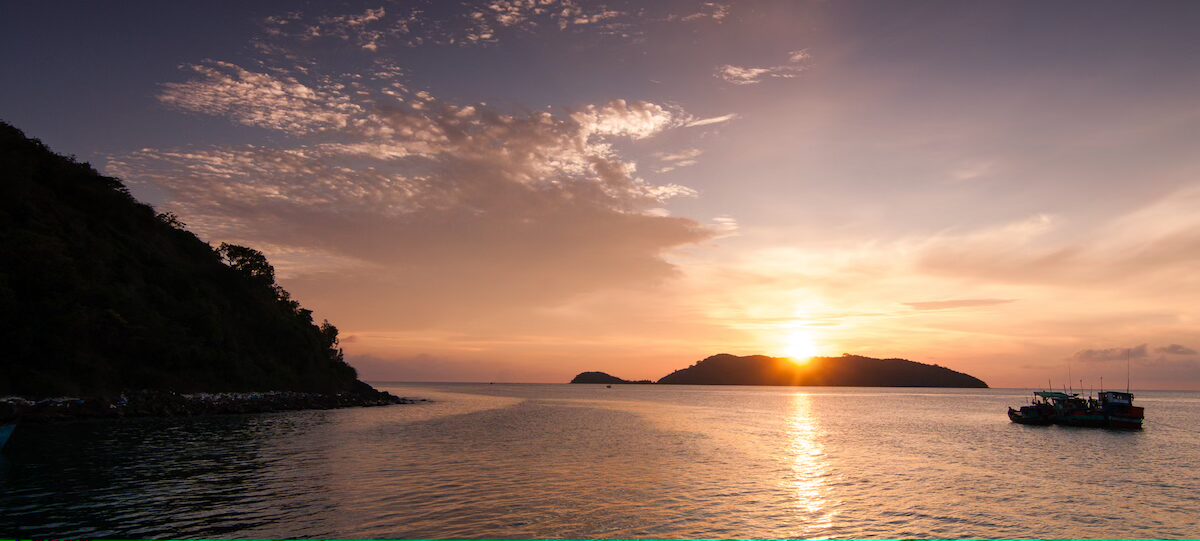
The island was discovered in 1526 by navigator Joan Cabezas. It first appeared on a map by Nicolas Desliens as “Ysle de Coques” in 1541. Subsequently, the island appeared on several maps and books. For a long time, the island was a veritable safe haven for pirates. Drinking water and wood were also an added attraction for sea raiders. Isla del Coco was the setting for Robert Louis Stevenson’s 1881 book Treasure Island, which inspired Michael Crichton’s Jurassic Parc.
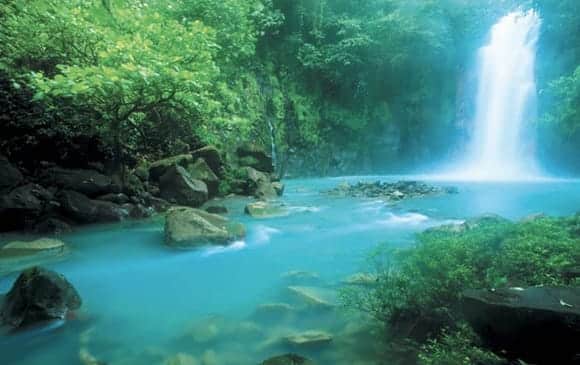
Later, treasure hunters were the island’s main visitors, until 1997, when the island was declared a UNESCO World Heritage Site and excavations were banned by the Costa Rican government. The island is considered a natural laboratory for studying the evolution of species. The island’s rugged topography has led to the formation of numerous waterfalls, some of which are quite spectacular. Its climate is similar to that of the Galapagos (equator) further south and Coiba (Panama). However, it is the only island in the eastern Pacific to boast a tropical rainforest and associated biodiversity.
Its winding coastline, 55 m-high cliffs, numerous caves and extraordinarily clear turquoise sea make it a mecca for divers from all over the world. 24 km2 in the middle of the Pacific, where only animals are allowed to sleep, is the arrival point after a 36-hour boat trip. This deserted island culminates at 650 m above sea level.
Isla del Coco’s Biodiversity
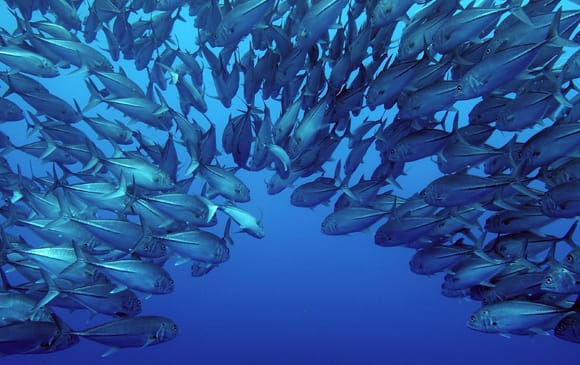
The island’s terrestrial fauna includes no fewer than 235 plant species, 70 of which are endemic, 362 insects, 64 of which are endemic, and 2 endemic reptiles: the lizard and the salamander, three spiders and 85 birds. On the sea side, 57 species of crustaceans, 118 marine mollusks, over 200 fish and 18 species of coral. Its waters teem with white-tip sharks, giant hammerheads, tuna and parrotfish. Divers consider Coco Island the best place in the world to observe large marine species.
The island’s most distinctive species include Copey, ironwood and endemic palms. Tree ferns, bromeliads, rivers, streams and waterfalls, valleys, cliffs and a myriad of islands frequented by seabirds and nesting grounds for gulls form a veritable sanctuary.
Travellers wishing to visit Isla del Coco should plan well in advance. Access to the national park is restricted, and only 2 organizations are authorized to take tourists. It’s mainly divers who go there, but hikers and birdwatchers are also welcome. The round trip takes at least 8 days.
Découvrez d’autres articles de blog

Pourquoi voyager avec nous ?

Une réputation sans faille depuis 2008

Un seul interlocuteur en français

Notre présence toute l’année sur le terrain

Notre expertise pour une offre sur mesure